For the first time, Grupo Falabella has presented quarterly results that directly reflect its ecosystem strategy, an approach being driven by its new Chairman and CEO.
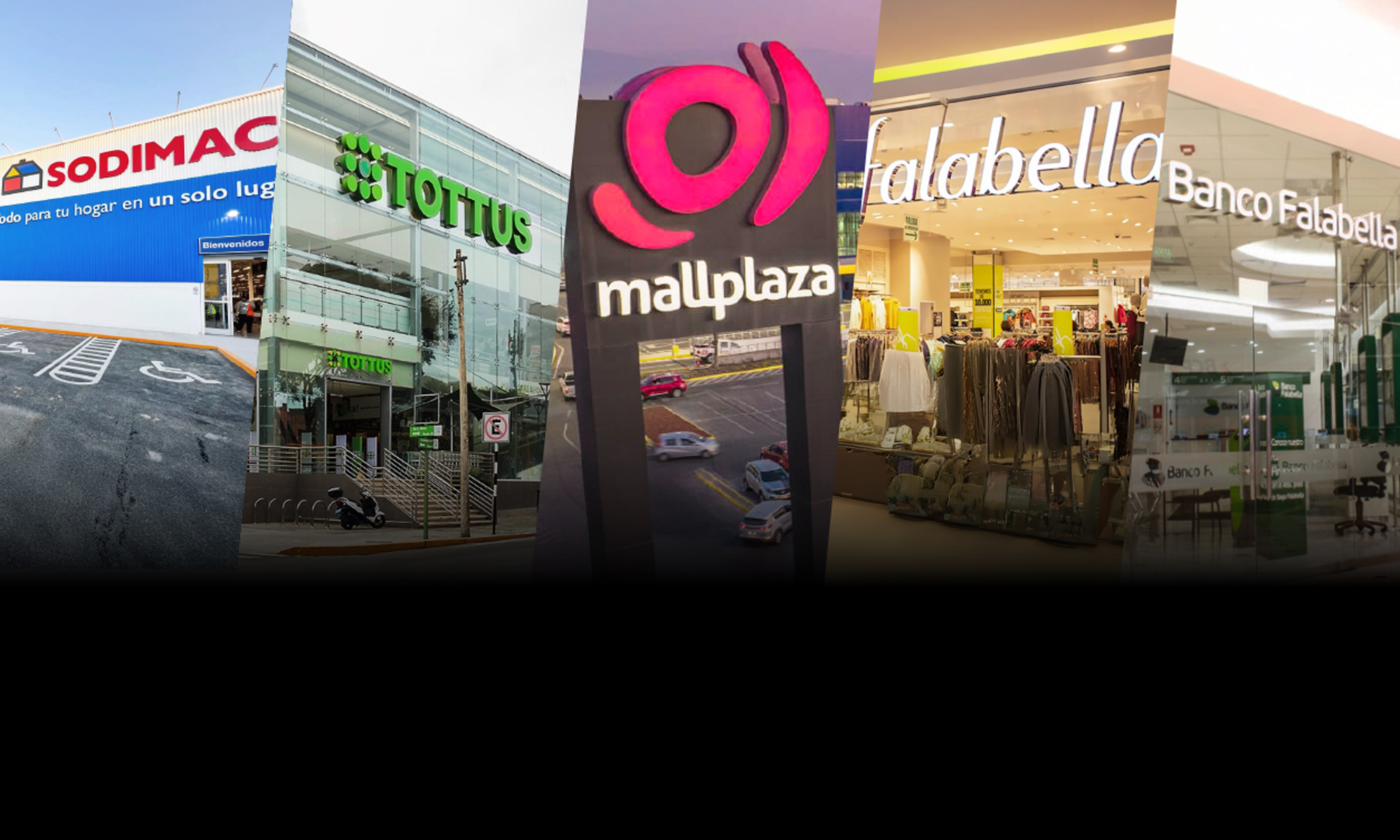
This week, the market reviewed Grupo Falabella second-quarter results, the first full quarter reported under the chairmanship of Fernando de Peña. While the period’s financial figures, including revenue, EBITDA, and net income, met expectations, the most revealing aspect was how the company chose to present them. For the first time, Falabella’s investor report explicitly identified ecosystem strengthening as the central pillar of its strategy, making it clear that the Group’s future growth will depend more on the synergies created through interaction among its businesses than on the performance of each unit in isolation.
Grupo Falabella CEO Alejandro González explained the shift to Señal DF: “Focusing on the ecosystem is part of the company’s evolution and seeks to deepen one of our main strengths. Grupo Falabella brings together a combination that is both rare and difficult to replicate: physical scale, digital capabilities, financial services, and a direct relationship with customers throughout their lives. We firmly believe that strengthening the connections among these capabilities improves the customer experience and reinforces the Group as a whole, because each business becomes more valuable through its interaction with the others than it would be on its own.”
This message also dominated the company’s conference call with investors. Management emphasized that Falabella is not merely a collection of independent businesses, nor a retail chain that also happens to own a bank. Rather, it is an integrated physical and digital retail ecosystem, where commercial, physical, digital, financial, and loyalty capabilities are organized around the customer.
Corporate Changes
Fernando de Peña’s tenure as Chairman has been marked by efforts to advance this strategy. One tangible example was the appointment of both Fernando de Peña and Alejandro González to the boards of the Group’s subsidiaries, with the exception of Mallplaza. This move reinforces a cross-functional perspective and closer coordination among the various companies.
According to González: “This change is specifically intended to strengthen the Group’s ecosystem focus by incorporating a broader perspective, aligning priorities, and accelerating the capture of synergies, while maintaining the specific focus of each business.”
The fact that, for the first time, the Chairman’s and CEO’s names appear consistently across the corporate governance structures of the Group’s main business units supports the view that this quarter marks the beginning of a new chapter under their leadership.
Within this context, Derek Tang, former CFO of Mallplaza, recently joined the Group’s Investor Relations department as IR and M&A Manager. He has been working on quantifying financial indicators that demonstrate how each business contributes to the performance of the others, as well as to the ecosystem as a whole. This effort was already evident in the most recent earnings presentation.
The numbers supporting the narrative
Although the concept may seem abstract, it represents a measurable change in how Falabella evaluates business performance and defines success. For years, interactions among Falabella’s businesses occurred mainly through physical channels. Today, however, the relationship between physical and digital operations is expressed in multiple ways. Falabella.com serves as a platform where the Group’s retail businesses sell products while also promoting financial services. Meanwhile, the Banco Falabella app functions as an entry point to the broader ecosystem. Sales generated through the banking app and directed toward Group businesses exceeded US$78 million during the last 12 months (measured through the first quarter of 2026), representing a fivefold increase compared with the previous twelve-month period.
The ecosystem model is expected to drive profitability because these interactions generate customer insights that help the Group better understand consumer behavior, anticipate needs, and deliver more relevant value propositions. This concept forms the foundation of Falabella’s new strategic narrative.
The figures already reflect this approach:
- More than 50% of the ecosystem’s 38 million customers now interact with two or more Group businesses.
- Customers engaged with the ecosystem more than 56 times per month on average over the past twelve months.
- 81.6% of purchases made using Falabella’s proprietary payment methods occur outside the ecosystem.
- Customers redeeming rewards through the Group’s Loyalty program increased 27.8% year over year, reaching a base of 22 million participants.
- The ecosystem’s online Gross Merchandise Value (GMV) grew 19.4% year over year to US$996 million, driven by a 34.4% increase in sales from third-party sellers, a business that benefits directly from the Group’s combined scale.
The report also highlights specific examples of synergies among business units. Sodimac attributed part of its digital channel growth, with online GMV increasing 13.1% year over year, to its ability to leverage Group synergies and enhance the customer experience.
Meanwhile, Mallplaza, in announcing its acquisition of eight shopping centers in Colombia for US$376 million, explicitly stated that the transaction would expand opportunities to capture synergies with the broader holding company.
As of the first quarter of 2026, nearly 40% of sales generated by the Group’s retail businesses were completed using Falabella-owned payment methods. This underscores the connection between the ecosystem’s commercial and financial capabilities and highlights the importance of proprietary payment solutions within the retail businesses.
Additionally:
- 78% of purchases associated with the Loyalty program translate into sales at the Group’s retail companies.
- Banco Falabella customers who redeem loyalty points spend approximately 40% more than comparable customers who are eligible but do not redeem points.
This comparison suggests significantly higher commercial activity among customers who actively use the Group’s loyalty benefits.
Read the Diario Financiero article here.