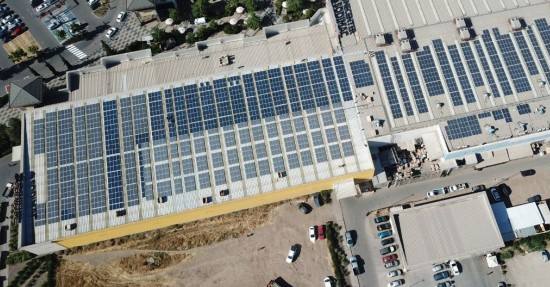
At Grupo Falabella, we join the urgent call for collective action to halt the advance of climate change. We recognize the need to work with goals that contribute to emissions mitigation and to build a resilient operation in the face of climate-related risks.
In 2025:
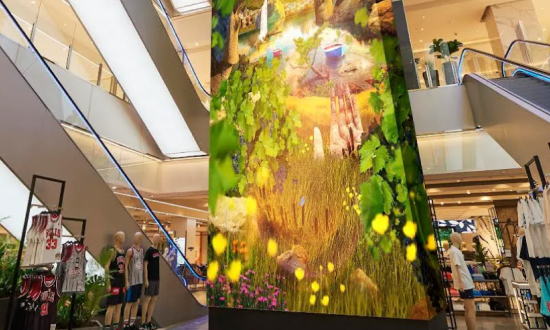
Mallplaza has integrated artificial intelligence into the management of its HVAC (heating, ventilation, and air conditioning) systems, lighting automation, and the regional expansion of its Building Management System (BMS) and Power Monitoring Expert (PME) platforms. In addition, it is developing a pilot program at Mallplaza Oeste to optimize HVAC, lighting, and energy consumption in an integrated manner, taking into account both operational and climate-related variables.
Tottus is also advancing initiatives to optimize energy consumption across its operations. In Chile, together with Falabella Ventures, it is collaborating with the startup Flair on the pilot implementation of solutions aimed at reducing the electricity consumption of HVAC systems. In Peru, the Energy Cloud tool is being implemented, strengthening energy management and monitoring across its stores. Click here to learn more.
Additionally, we have approved a corporate Energy Policy to guide our ecosystem and employees in promoting a culture of energy efficiency. In Chile, we have implemented Energy Management Systems based on the ISO 50001 standard at Falabella Retail, Sodimac, and Tottus. These systems enable us to set energy targets, optimize resources, and improve our energy performance. We highlight the case of Mallplaza, which holds ISO 50001 certification in 26 of its 37 urban centers across Chile, Peru, and Colombia. Click here to learn more.
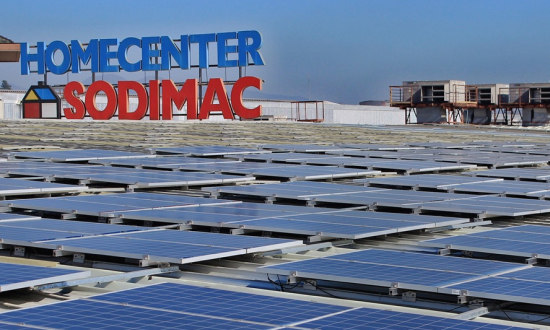
The use of renewable energy in our operations represents an opportunity to reduce our carbon footprint and contribute to the decarbonization of the energy matrix in the countries where we operate.
We promote Power Purchase Agreements (PPAs) with suppliers such as Enel in Chile and Statkraft in Peru to supply our operations with certified and traceable electricity from renewable sources. In 2025, these agreements allowed us to power 453 facilities with renewable energy, increasing our share of renewable electricity to 80%.
Read more in our Annual Report,
Or in our ESG Supplement

Low-Impact Refrigeration
One of the most significant strategies within our decarbonization plan is the modernization of food refrigeration systems in Tottus supermarkets, incorporating technologies with a lower global warming potential, greater energy efficiency, and reduced maintenance costs. This initiative is critical to reducing Scope 1 emissions, as fugitive emissions account for more than 90% of this category in our baseline.
As of the end of 2025, we had completed the cumulative replacement of refrigeration systems in 11 supermarkets across Chile and Peru, preventing the emission of more than 16,500 tons of CO₂ annually. This process has involved replacing equipment that operated with high-impact refrigerant gases, such as R-22 and R-507, with more efficient systems using R-744 (transcritical CO₂).

We are aware that climate change brings both risks and opportunities that can impact our assets and value chain. For this reason, we have made progress in incorporating the recommendations of the Task Force on Climate-related Financial Disclosures (TCFD) and, moving forward, the S2 standard of the International Financial Reporting Standards (IFRS).
In line with these recommendations, we have integrated Climate Change Risk into our Comprehensive Risk Management Policy and the Corporate Risk Management Model.
In 2025, we held multidisciplinary workshops in Chile, Peru, and Colombia to identify climate risks in critical assets and their controls, consolidating an inventory of 14 specific physical risks. And in 2024, we prioritized four of these risks and defined eight key controls for their management.
Additionally, we continued implementing various climate change prevention and response initiatives.