Operational waste refers to the waste generated from the routine activities of our facilities. We are actively working to improve how we manage this waste, promoting initiatives such as recycling through specialized companies and partnerships with organizations that aim to reintegrate these raw materials into production chains.
In 2025, we successfully recovered more than 46.856 tons of waste through the recycling of organic and inorganic materials. With these actions, we aim not only to minimize the environmental impact of our operations but also to contribute to a more sustainable and responsible business model.
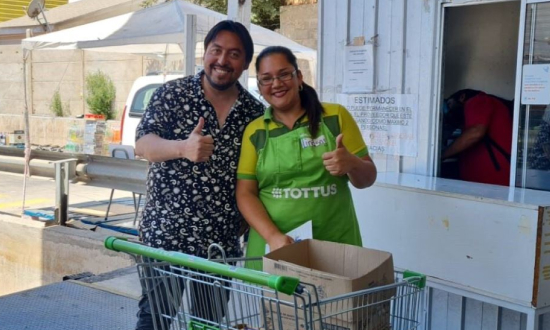
At Falabella, we recognize the importance of reducing food loss and waste as a crucial opportunity to improve the efficiency of our use of natural resources, reduce our environmental impact, and contribute to the global food security challenges defined by the United Nations and reflected in specific Sustainable Development Goals (SDGs).
Food donations are part of our food waste reduction strategy and, at the same time, contribute to local empowerment and development. We have implemented effective redistribution strategies that reduce food loss while actively supporting communities through partnerships with organizations such as Fundación Don Bosco and Banco de Alimentos del Perú in Peru, and Red de Alimentos in Chile.

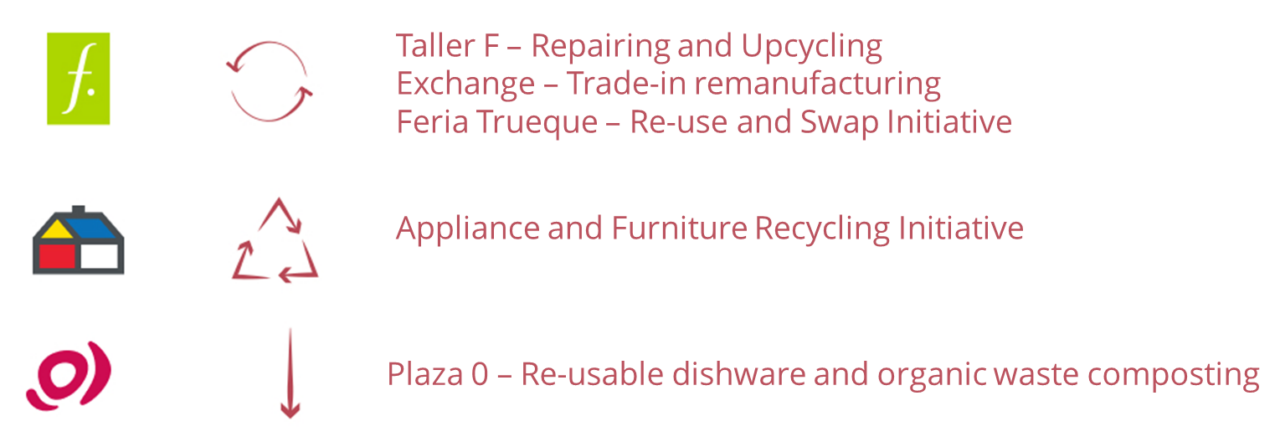
OInnovation to drive the circular economy is one of our main strategies for reducing the use of virgin raw materials while also minimizing waste generated by our operations. All of our circularity initiatives seek to engage local communities in material recovery and valorization efforts, helping prevent waste from ending up in landfills and dumpsites.
Across our retail businesses, we strive to apply circularity principles to packaging materials by reducing package sizes and promoting the use of recyclable and recycled materials. In January 2024, Falabella Retail and Falabella.com joined an E-commerce Packaging Clean Production Agreement (CPA) together with the Santiago Chamber of Commerce and Chile’s Agency for Sustainability and Climate Change, part of the Ministry of the Environment. This public-private partnership aims to reduce the environmental impact of e-commerce packaging.
In 2025, we advanced the implementation of this plan by submitting our first progress report and variation report, successfully meeting the commitments we had undertaken. Among the main achievements, we highlight the exploration and validation of new packaging formats, which enabled us to reduce the size and weight of packaging used in e-commerce, contributing to a more efficient and sustainable operation.
Discover Some of the Circularity Initiatives in Our Businesses: