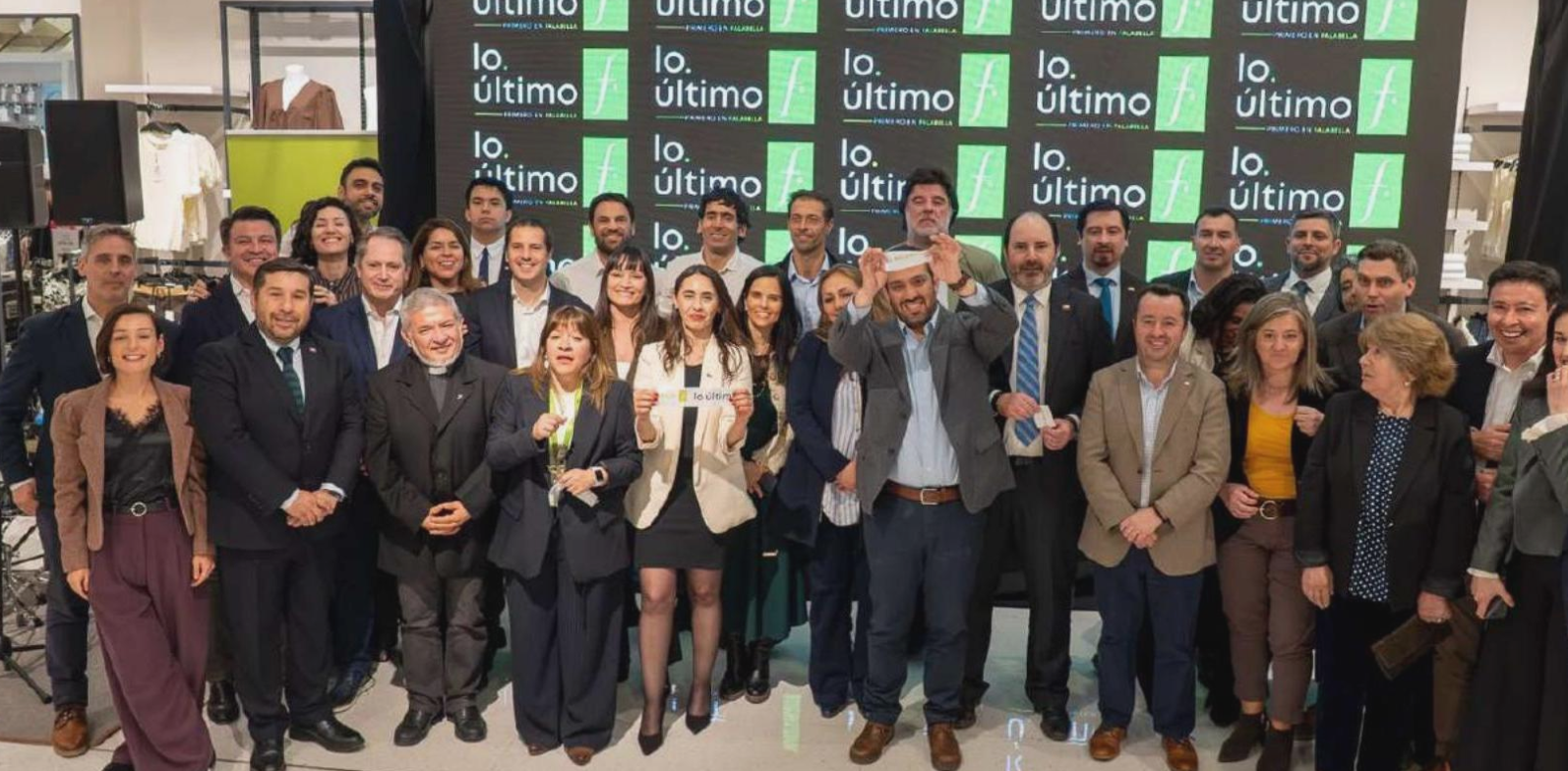
Coyhaique – With more than 100 jobs and a new retail offering that includes apparel, footwear, technology, and home products, Falabella officially inaugurated its store in Coyhaique.
The store is located at Arturo Prat 451 and began welcoming customers on September 29. The inauguration brought together national and regional authorities, representatives of business associations, institutions, and community organizations.
Mayor Carlos Gatica highlighted the significance of these opportunities for local families.
“The opening of Falabella in Coyhaique is good news because behind every new job there is a family that can look toward the future with greater peace of mind. We value the confidence that private investment places in our city and the opportunities it creates for our people,” he said.
The mayor also shared his expectations regarding the store’s contribution to Coyhaique’s economy:
“We hope this opening will also boost local commerce and contribute to a more competitive city, with more services for our residents and visitors.”
In-Store Shopping and Online Order Pick-Up
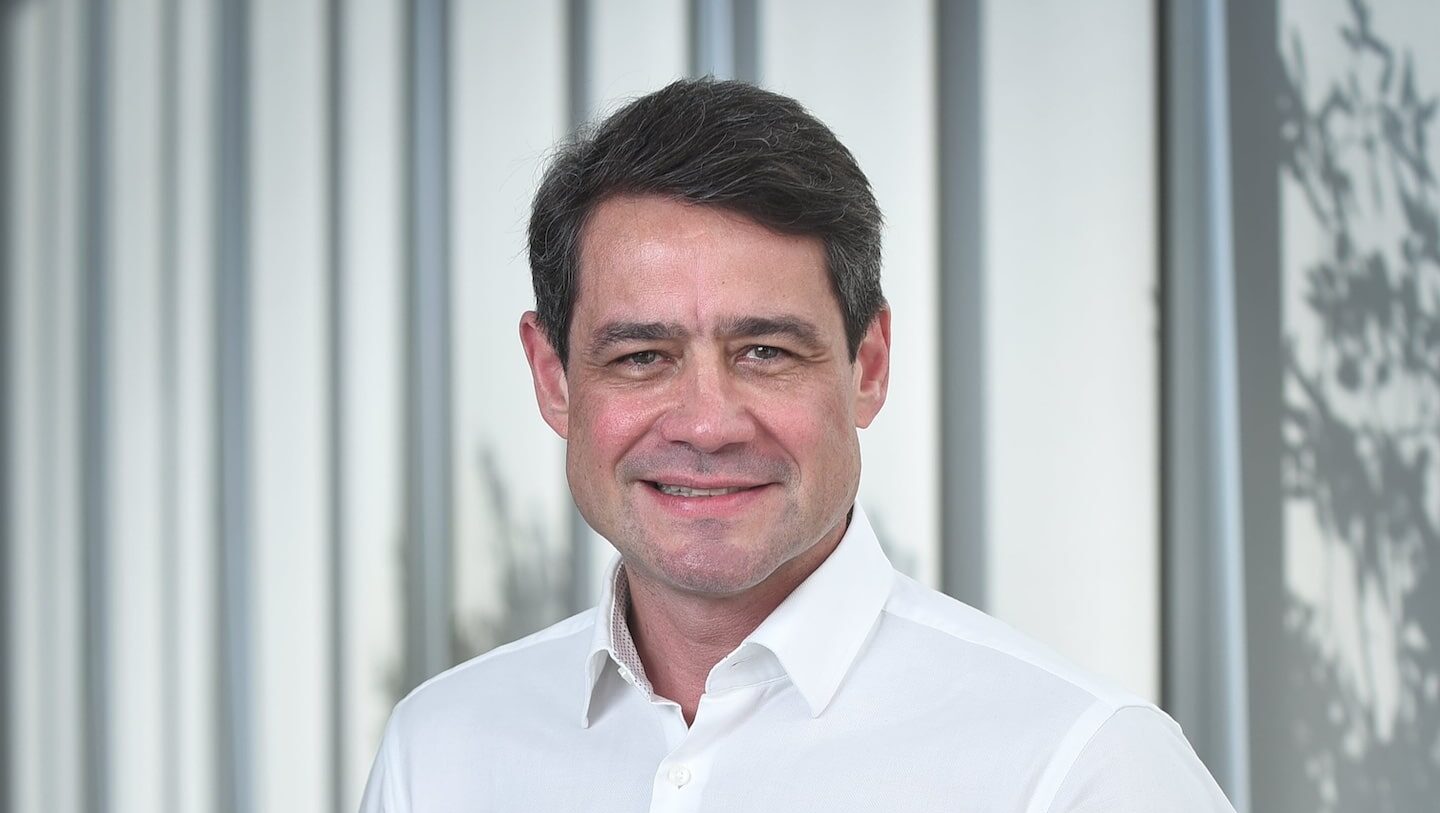
With an area of approximately 2,800 square meters, Tomás Platovsky, General Manager of Falabella Chile, emphasized the relationship the company hopes to build with the region.
“For us, opening a store goes far beyond expanding our commercial presence. It means becoming part of a new community, contributing to its development, and building long-term relationships,” he said.
The ceremony was also attended by Tomás Rau, Chile’s Minister of Labor and Social Security, who highlighted the employment opportunities generated by the opening.
“Work is much more than a paid activity. It enables us to develop our life projects and build community, so I am very pleased to be part of this important milestone,” he stated.
The company’s arrival also includes the incorporation of Escuela Víctor Domingo Silva into the Haciendo Escuela Program. The initiative, which has a 57-year history, promotes actions that support learning, skills development, and the strengthening of educational communities.
Article by El Divisadero.