Within the business world, the social impact of organizations is receiving increasing attention due to the tangible results generated by their initiatives, both at the national level and within the communities where they operate. This is the focus of the 2026 Chile Corporate Social Impact Index (IISE), developed by BSponsor in partnership with the UDD Business Sustainability Center and PwC Chile.
The assessment analyzed initiatives carried out during 2025 by 95 companies and, in its latest edition, once again recognized the work developed by Grupo Falabella.
For the second consecutive year, the holding company received the Silver Winner distinction in the Holding category. This achievement was complemented by Sodimac, which earned first place and the Gold Leader distinction in the Retail and Consumer category.
The awards recognize initiatives developed in areas such as education and financial education, employment and entrepreneurship, social inclusion, and local development, fields in which the various companies within the group have promoted programs linked to their respective business activities.
For Renato Fernández, Corporate Affairs and Sustainability Manager at Grupo Falabella, the result is valuable not only because of the recognition received, but also because it highlights the impact these initiatives seek to generate.
“It is a recognition that we value because it focuses on the tangible impact that the Group companies’ initiatives have on people and communities,” he said.
In this regard, he added that:
“Beyond the result itself, it is a sign that we are moving in the right direction. As a Group, we understand that we have a responsibility not only to our customers, but also to our employees, investors, environment, and the broader community. That is why we strive to ensure that our growth goes hand in hand with creating new opportunities, contributing to development, respecting the environment, and making a positive contribution to society.”
According to the executive, this strategy is implemented within an organization that operates across multiple countries and brings together businesses with different characteristics.
Today, Grupo Falabella has operations in Chile, Peru, Colombia, Brazil, Argentina, Uruguay, and Mexico, as well as China and India. Collectively, the Group serves more than 37 million customers and employs over 90,000 people.
“All of this, in addition to the responsibility it entails, gives us a great opportunity to share learnings across markets and generate impact on a scale that can contribute positively to the development of the communities where we operate,” says Renato Fernández.
This diversity of markets is also reflected within the Group itself, where each business maintains its own identity and unique relationship with customers and communities. For this reason, one of the key challenges of the social impact strategy is to avoid a one-size-fits-all approach.
“We encourage each business to promote initiatives that are relevant and aligned with its nature, core business, purpose, capabilities, and relationship with its own customers and communities,” he highlights.
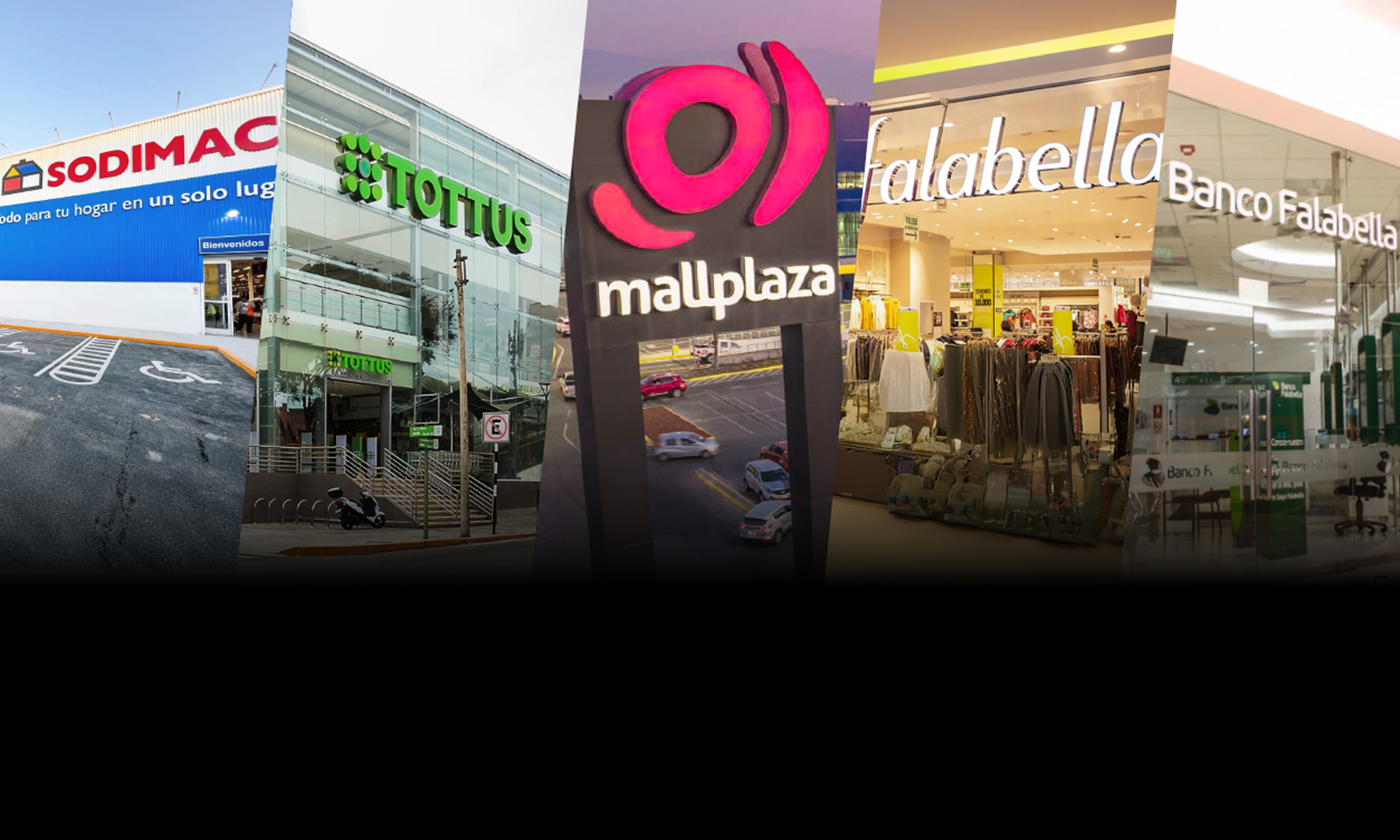
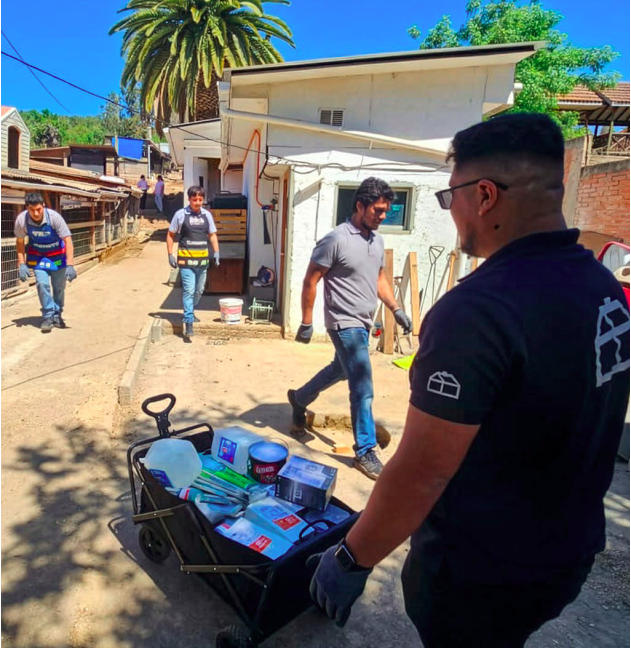
Thus, Falabella Retail, for example, has been running the Haciendo Escuela program for more than 50 years; Banco Falabella promotes various financial education initiatives; Sodimac advances training programs in construction and community space improvement; Mallplaza fosters entrepreneurship through Plaza Emprende; and Tottus works alongside social organizations on food donation initiatives, the executive explains.
According to Fernández, these are different programs, but they all share the same principle:
“Leveraging the unique capabilities of each business to create opportunities and contribute positively to people’s lives. That is both the complexity and the richness of the work we can do. There is a more local and direct impact driven by each business, and a broader, more global impact strengthened by our scale and the synergies we can achieve as Grupo Falabella.”
“Our goal is not only to be a group of recognized companies that grow and are highly profitable, but also to be valued and appreciated because they are making progress and working seriously to become increasingly sustainable,” concludes the Corporate Affairs and Sustainability Manager of Grupo Falabella.
Article by Emol.